On-grid
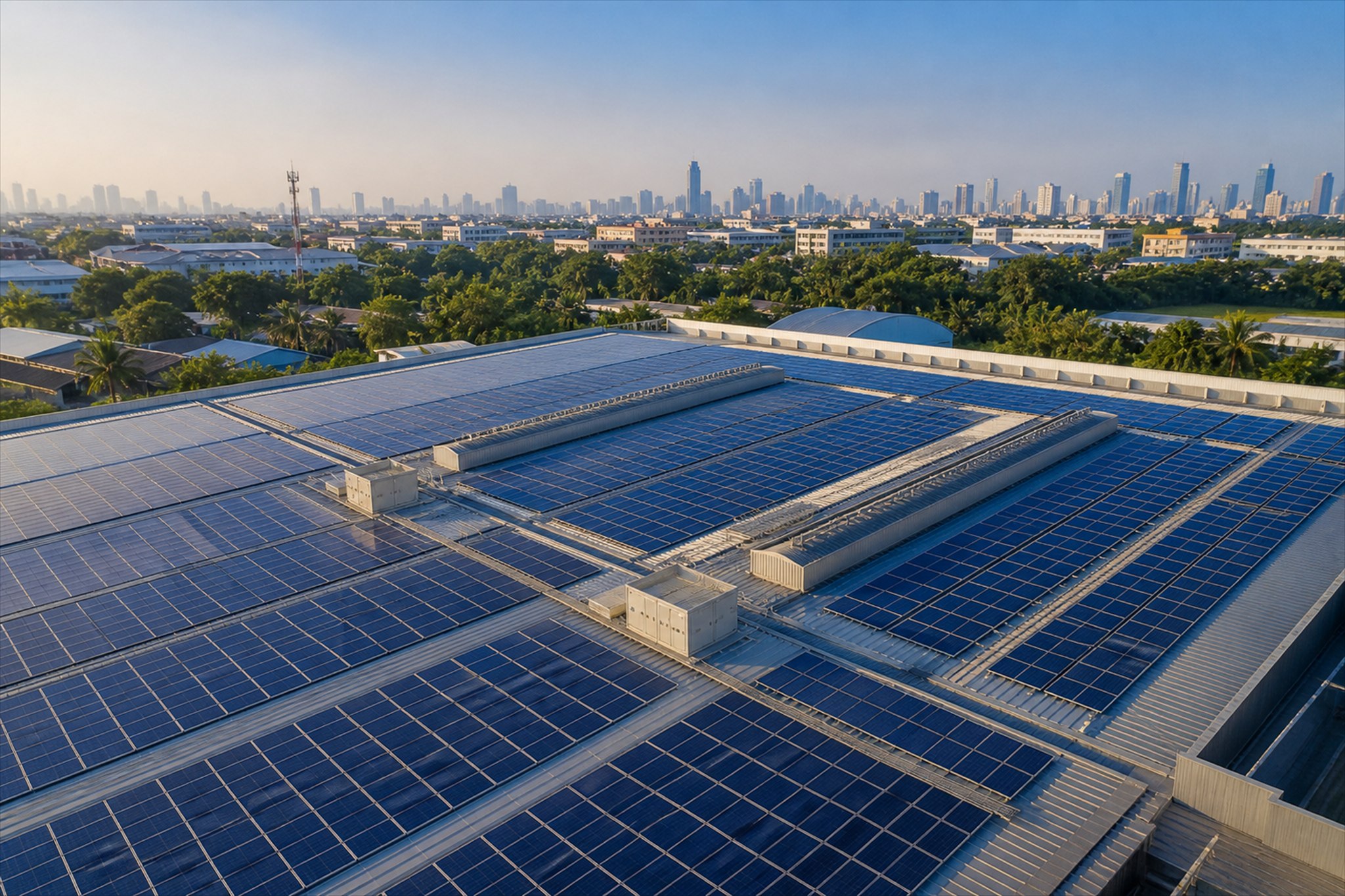
Uses solar by day alongside the grid. Suits high daytime use: factories, offices, shops.
Enter your monthly bill and daytime share to estimate system size and suitability before a site survey.
Enter the monthly bill and press “Calculate”.
This tool is only a first estimate. It uses average tariff and yield assumptions you can adjust, excludes any income from selling power back, and is not a guarantee. Actual results depend on roof direction, shading and real load.
Uses solar by day alongside the grid. Suits high daytime use: factories, offices, shops.
Stores surplus for the evening or outages. Suits homes that use power in the evening, or buildings needing partial backup.
Critical loads such as network and cameras sit behind a UPS for continuity, while solar trims the overall bill.
Two brands compared on the same project, so you can choose by budget, space and backup needs.
Inverters and LUNA2000 batteries with the FusionSolar app for tracking generation and usage.
A Chinese maker with a tier-one distributor in Thailand, offering home inverters with batteries and commercial models.
Brand names and trademarks belong to their owners. This list does not claim distributor status. Sourcing channel, warranty terms and price are stated in each project proposal.
Grid connection must follow the utility's requirements and the relevant building rules.
Along with photos of the roof and meter, so the estimate is sharper before a survey.